
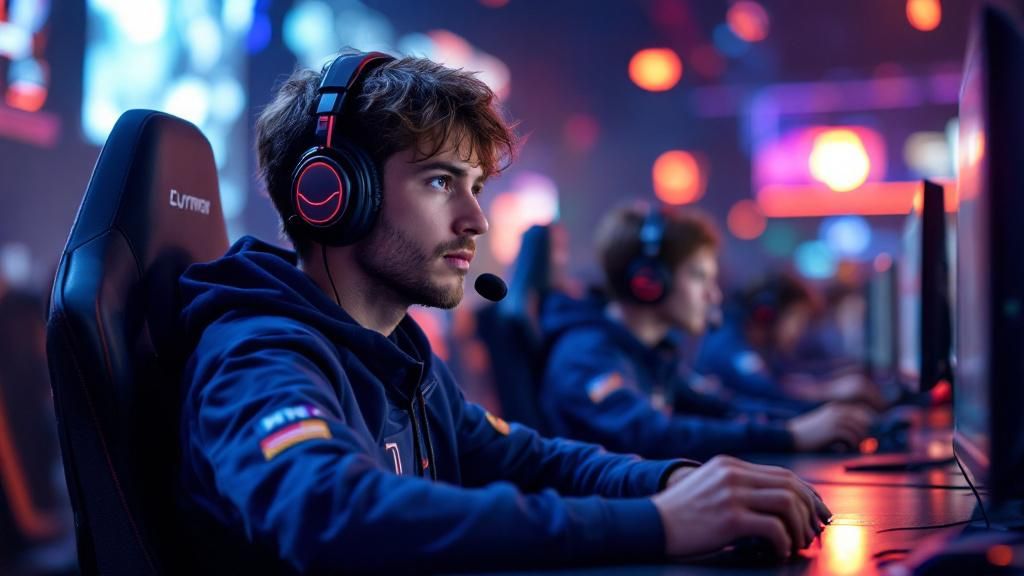
The esports industry has advanced substantially in prioritising competitor wellbeing. Prominent event operators have collectively introduced a comprehensive player welfare standards framework, tackling longstanding concerns about mental wellbeing, labour conditions, and just treatment within competitive esports. This groundbreaking development marks a turning point for esports legitimacy, establishing baseline protections that could reshape how the industry operates. We analyse the framework’s central components, the entities leading this transformation, and what it means for athletes and professional gaming moving forward.
Industry-Wide Commitment to Player Health
The collaborative effort between prominent esports bodies marks a watershed moment for player protection within professional esports. This cohesive approach demonstrates the sector’s real dedication to establishing sustainable standards that prioritise competitor wellbeing alongside performance quality. By combining knowledge and capabilities, these organisations have developed detailed frameworks addressing physical health, psychological wellbeing, and occupational safety. The scheme shows increasing awareness that athlete wellbeing significantly affects performance quality and sustained careers, making it vital to the sector’s reputation and development.
Tournament operators have recognised that past requirements were disjointed and variable, leaving players vulnerable to exploitation and burnout. The updated system standardises expectations across major competitions, making certain each professional player receives equitable treatment and availability of vital assistance. This integrated system eradicates unequal conditions resulting from differing safeguards and sets fair competition standards. Industry figures stress that these standards constitute baseline expectations, prompting entities to go beyond minimum standards and build authentically nurturing spaces where players can thrive both professionally and personally.
Core Features of the Social Support Framework
The newly formed welfare framework consists of various interrelated pillars designed to protect player interests comprehensively. These components tackle mental health support, physical health, fair working conditions, and transparent dispute resolution processes. By combining these components, tournament administrators seek to develop a comprehensive strategy that recognises esports athletes as competitive professionals entitled to strong safeguards. The framework establishes baseline requirements that all participating tournaments must implement, guaranteeing uniform player protections across the competitive gaming landscape.
Mental Health Support Services
Acknowledging the psychological pressures present within esports at a professional level, the framework requires provision of mental health professionals for all competing players. Event organisers are required to provide confidential psychological support, through direct delivery or collaborative arrangements with qualified mental health providers. Such services include stress management, anxiety management support, and crisis support resources. Players gain access to trained psychologists who comprehend esports-specific issues, encompassing online abuse, intense competitive pressure, and career uncertainty.
The framework additionally mandates tournaments to introduce mental wellbeing education initiatives and stigma-reduction efforts across the community. Organisers are required to train players, coaches, and staff about identifying psychological difficulties and utilising appropriate support. Regular check-ins and wellbeing tracking mechanisms enable detect struggling players early, allowing preventative measures before situations develop into serious psychological crises.
Physical Wellbeing Requirements
Tournament coordinators must establish thorough health and safety standards tackling ergonomics, break times, and healthcare monitoring. The framework stipulates appropriate chairs, screen placement, and rest periods to minimise repetitive strain injuries frequently seen in esports professionals. Medical staff must be on-site at significant events to manage acute health issues, whilst organisers are obliged to offer guidance about harm prevention and appropriate healthcare resources for ongoing player improvement.
Environmental conditions at tournament facilities are now covered under strict standards guaranteeing player wellbeing and safety. Regulations cover temperature control, lighting standards, and noise levels to establish optimal performance conditions. Additionally, the framework encourages players to undergo periodic health checks and offers guidance on diet, sleep hygiene, and exercise routines crucial for sustained professional performance in esports.
- Ergonomic equipment assessments conducted by qualified specialists
- Required breaks between matches reducing player exhaustion
- On-site medical staff available during all tournament proceedings
- Injury prevention training and recovery programme access
- Health monitoring programmes tracking player wellbeing throughout seasons
Rollout Schedule and Requirements
The framework will be implemented in three different phases, starting immediately with initial evaluations across involved stakeholders. Tournament operators have agreed to completing initial audits of their current practices by the first quarter deadline, highlighting discrepancies between existing protocols and the revised guidelines. This preliminary stage ensures a comprehensive assessment of each organisation’s starting point before implementing substantive changes. Later stages will include staff training, procedural revisions, and the creation of independent oversight mechanisms to guarantee compliance and responsibility throughout the esports industry.
The standards themselves cover mandatory provisions addressing mental health support, sensible practice arrangements, and open reward distribution systems. Each organisation is required to appoint a designated welfare champion accountable for managing grievances and ensuring adherence to guidelines. Regular audits, carried out by third-party bodies, will verify compliance and pinpoint aspects needing enhancement. These comprehensive measures create quantifiable standards for player safeguarding, with enforcement mechanisms including pecuniary fines and possible competition restrictions for organisations not meeting required standards.
Industry Response and Future Outlook
The announcement has attracted strong backing from key figures within the competitive gaming sector. Player unions have commended the framework as a necessary step towards professionalising the sector, whilst organisation proprietors and financial backers appreciate the prospects of improved legitimacy and long-term viability. Equipment suppliers and streaming platforms have undertaken to embed safeguarding measures into their day-to-day activities, reflecting a collective commitment to structural reform. Preliminary evidence indicate that regulatory bodies and state representatives view the criteria positively, potentially paving the way for formal legal recognition of professional esports as a recognised professional industry.
Looking ahead, sector analysts predict that this framework will serve as a template for global adoption, with regional tournaments and grassroots events set to implement comparable standards. The programme is expected to inspire ongoing discussion regarding player compensation, career development pathways, and psychological support services. As esports undergoes meteoric growth, these welfare standards constitute a crucial safeguard guaranteeing that competitive gaming stays sustainable, inclusive, and respectful for all participants, ultimately reinforcing the industry’s standing as a legitimate competitive sector.
